
Exploring the Market Demand for Eco-Friendly Activewear: A Comprehensive Guide for Bulk Buyers
1. Introduction to Eco-Friendly Activewear
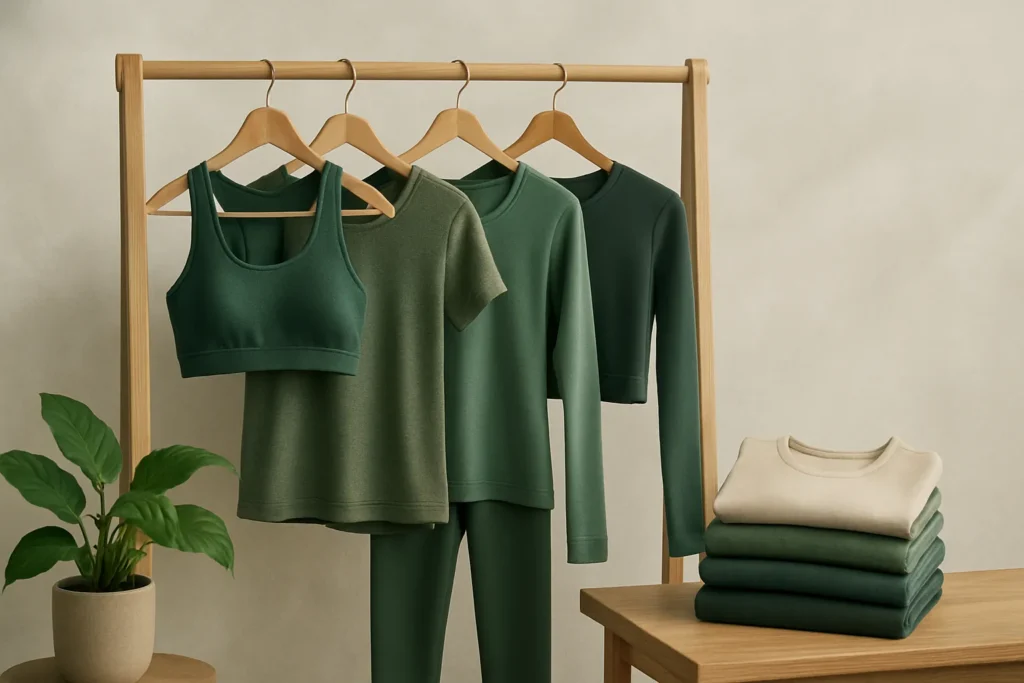
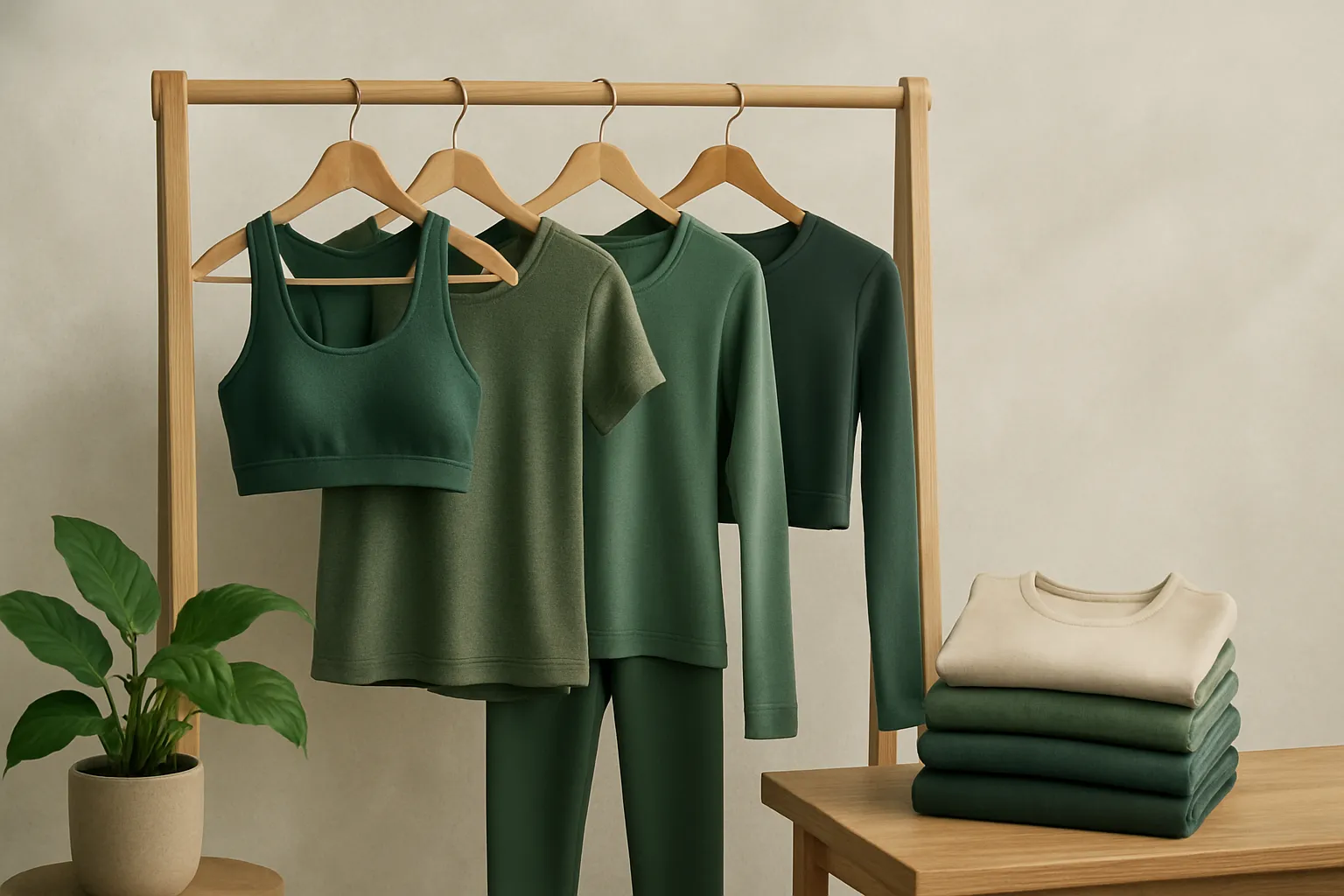
Eco-friendly activewear encompasses athletic clothing crafted from sustainable materials and produced through environmentally conscious methods. This sector of the apparel industry is witnessing significant growth as consumers become more aware of environmental challenges. The emphasis on sustainability in eco-friendly activewear is crucial; it not only addresses rising concerns about pollution and waste but also resonates with a new generation of eco-conscious shoppers.
As bulk buyers, it’s vital to grasp the intricacies of eco-friendly activewear. This guide aims to explore market trends, product specifications, use cases, and sourcing strategies, offering valuable insights for businesses keen on investing in this expanding market. Understanding eco-friendly activewear is essential for making informed purchasing decisions.
For more information on eco-friendly practices, check out our article on sustainable practices and learn how to integrate them into your business.
2. Market Trends in Eco-Friendly Activewear
The emergence of eco-conscious consumerism is transforming the activewear market. More consumers are prioritizing sustainability in their purchasing decisions, which significantly influences brands and retailers. Recent market research indicates that the eco-friendly apparel market is set to grow substantially, with an anticipated compound annual growth rate (CAGR) of over 10% in the next few years.
Key statistics underscore this shift: approximately 70% of consumers are willing to pay a premium for sustainable products, and 58% prefer brands that are committed to environmental stewardship. These insights reveal a robust demand for eco-friendly activewear, presenting a lucrative opportunity for bulk buyers.
For further insights on market trends, visit our page on market trends in the apparel industry.
3. Specifications of Eco-Friendly Activewear
When evaluating eco-friendly activewear, the choice of materials is paramount. Common sustainable fabrics include organic cotton, recycled polyester, Tencel, and bamboo. These materials not only minimize environmental impact but also provide unique benefits such as breathability, moisture-wicking capabilities, and durability.
Performance characteristics are equally critical. Bulk buyers should consider attributes like stretchability, moisture management, and UV protection when selecting eco-friendly yoga pants or other activewear. Ensuring that clothing meets consumer performance needs while adhering to sustainability standards is essential for maintaining customer satisfaction.
4. Use Cases for Bulk Buyers
Eco-friendly activewear offers diverse opportunities for bulk buyers. Retailers can capitalize on the increasing demand by incorporating sustainable options into their product lines, thereby appealing to environmentally conscious consumers. Moreover, businesses can utilize eco-friendly activewear in corporate wellness initiatives, providing employees with sustainable clothing that encourages an active lifestyle.
These applications not only enhance brand reputation but also cultivate customer loyalty, as shoppers increasingly favor brands that reflect their values.
5. Comparing Eco-Friendly Activewear Brands
With the expansion of the eco-friendly activewear market, numerous brands are emerging as frontrunners. Brands like Patagonia, prAna, and Girlfriend Collective have established strong reputations for their commitment to sustainability and quality. When assessing these brands, bulk buyers should consider factors such as material sourcing, production processes, and overall brand ethos.
Conducting a price versus quality analysis is crucial in this context. While eco-friendly products may have a higher price tag, the long-term benefits of investing in high-quality, sustainable activewear often outweigh initial costs, especially when contemplating customer retention and brand loyalty.
6. Sourcing Eco-Friendly Activewear
Identifying reliable suppliers of eco-friendly activewear is essential for bulk buyers. Begin by researching manufacturers that specialize in sustainable practices and have a proven track record. Networking at industry events and leveraging online platforms can also help pinpoint potential partners.
Assessing certifications and standards is another critical step in the sourcing process. Look for certifications such as the Global Organic Textile Standard (GOTS) or OEKO-TEX, which ensure that products adhere to specific environmental and safety criteria. These certifications not only validate product sustainability claims but also bolster consumer trust.
7. Implementation Strategies for Bulk Buyers
Effective inventory management is crucial when dealing with eco-friendly activewear. Bulk buyers should adopt strategies that allow them to be flexible and responsive to market trends. This includes maintaining a diverse stock that can cater to varying consumer preferences while ensuring that eco-friendly options are readily available.
Marketing eco-friendly activewear necessitates a strategic approach. Highlight the environmental advantages of the products in promotional materials, and engage consumers through storytelling that emphasizes the brand’s dedication to sustainability. Utilizing social media platforms can amplify these messages and broaden audience reach.
8. Frequently Asked Questions
What is the cost difference?
Eco-friendly activewear typically commands a higher price point due to sustainable materials and ethical production practices. However, the long-term value, including customer loyalty and enhanced brand reputation, can justify this investment.
How can I ensure product quality?
To guarantee quality, bulk buyers should conduct thorough research on suppliers, request samples, and review certifications. Establishing strong communication with suppliers can facilitate better quality control throughout the purchasing process.
Conclusion
The increasing market demand for eco-friendly activewear presents an exciting opportunity for bulk buyers. By understanding market trends, specifications, and effective sourcing strategies, businesses can successfully navigate this growing segment. Prioritizing sustainability not only aligns with consumer preferences but also positions brands as leaders in responsible retailing. As the eco-conscious movement continues to gain momentum, investing in eco-friendly activewear will benefit businesses while positively impacting the environment.