
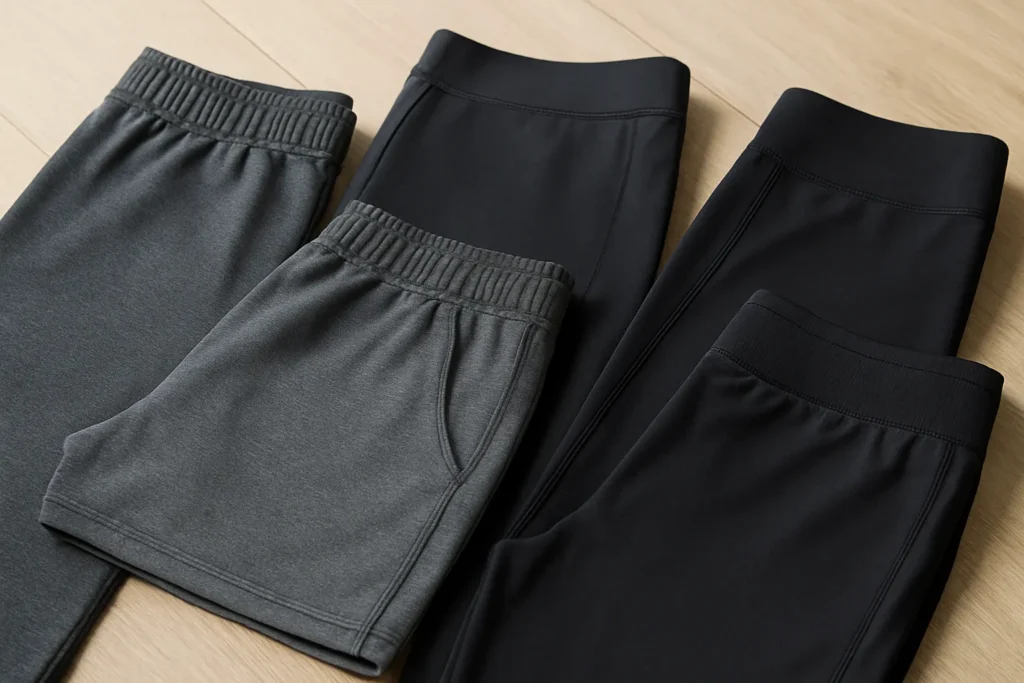
Why Moisture-Wicking Fabric is Essential for Activewear Bottoms
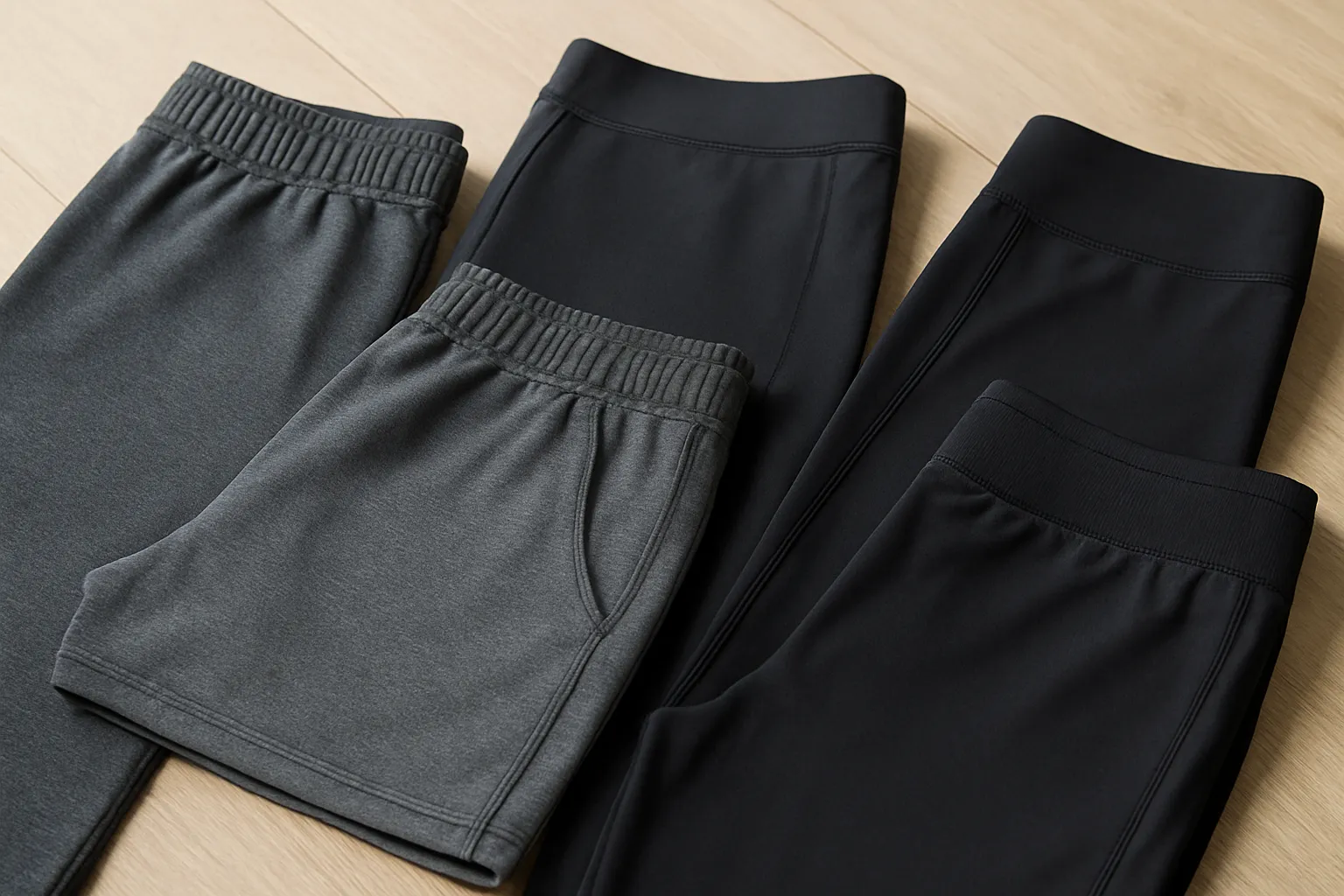
In the fast-paced world of activewear, the choice of fabric can significantly influence the success of a product. As consumers increasingly prioritize performance and comfort, moisture-wicking fabric has become a cornerstone of activewear bottoms. This innovative material is crafted to draw moisture away from the body, ensuring that athletes remain dry and comfortable throughout their workouts. Moisture-wicking fabric is not just a trend; it is a crucial aspect of activewear that enhances performance. In this article, we will delve into the specifications, practical applications, and sourcing options for moisture-wicking fabric, as well as its role in activewear design.
Moisture-wicking fabric is designed to pull sweat away from the skin and promote evaporation, which helps regulate body temperature during intense physical activities. This feature is particularly important for athletes who engage in rigorous training sessions or competitive sports. Furthermore, moisture-wicking fabrics often come with additional benefits such as odor resistance and UV protection, making them ideal for outdoor activities.
When selecting activewear bottoms, it’s essential to consider the type of moisture-wicking fabric used. Common materials include polyester, nylon, and blends that combine different fibers for enhanced performance. These fabrics are engineered to provide breathability and durability, ensuring that they withstand the demands of an active lifestyle.
In terms of sourcing, many manufacturers offer a variety of moisture-wicking fabrics that cater to different performance needs. Brands can choose from lightweight options for summer workouts or heavier fabrics for colder climates. Additionally, advancements in textile technology have led to the development of eco-friendly moisture-wicking fabrics, appealing to environmentally conscious consumers.
In summary, moisture-wicking fabric is a vital component of activewear bottoms, providing comfort, performance, and innovative features that meet the needs of athletes. As the market continues to evolve, understanding the benefits and applications of this fabric will be crucial for both consumers and manufacturers alike.